A damp stain is a symptom, not a finishing specification. Painting, plastering or installing wallpaper before the moisture source is controlled can hide an active problem and lead to peeling, bubbling, mould-like growth, staining or repeated repair.
Start by describing where and when the stain appears
Record whether the mark is on a ceiling, external wall, bathroom wall, kitchen cabinet area, AC bulkhead or near visible plumbing. Note whether it grows after using a shower, sink, AC unit or appliance, after a period of high humidity, or without a clear trigger. A dated photo helps show whether the stain is changing.
Plumbing and AC drainage can create similar visible symptoms
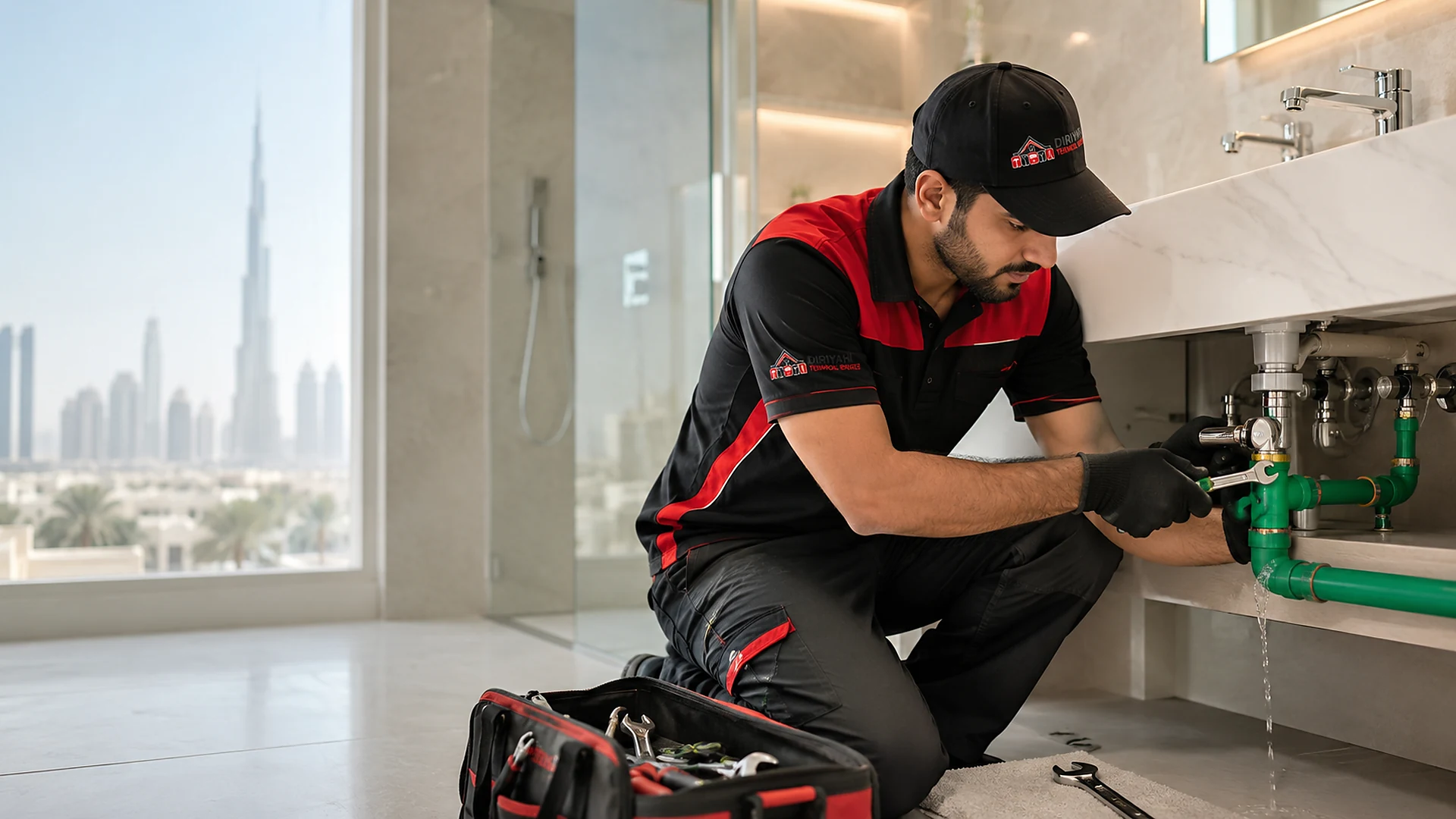
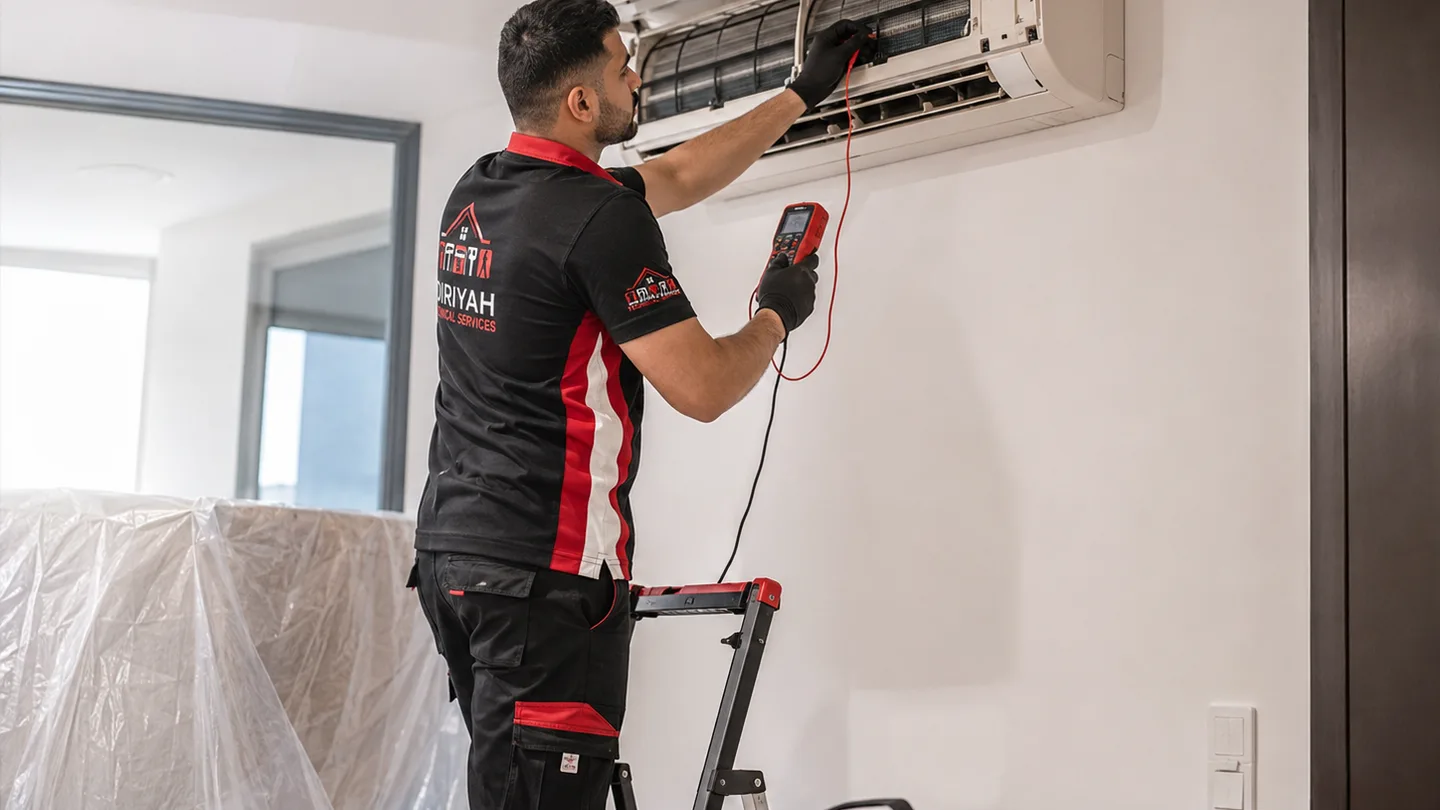
A concealed or accessible water leak can wet plaster and paint, while AC condensate drainage can create ceiling or wall staining around indoor units and pipe routes. The visible mark alone does not prove which system is responsible. Begin with the technical source that best matches the evidence and do not close the finish until it is stable.
Why substrate condition matters before repainting
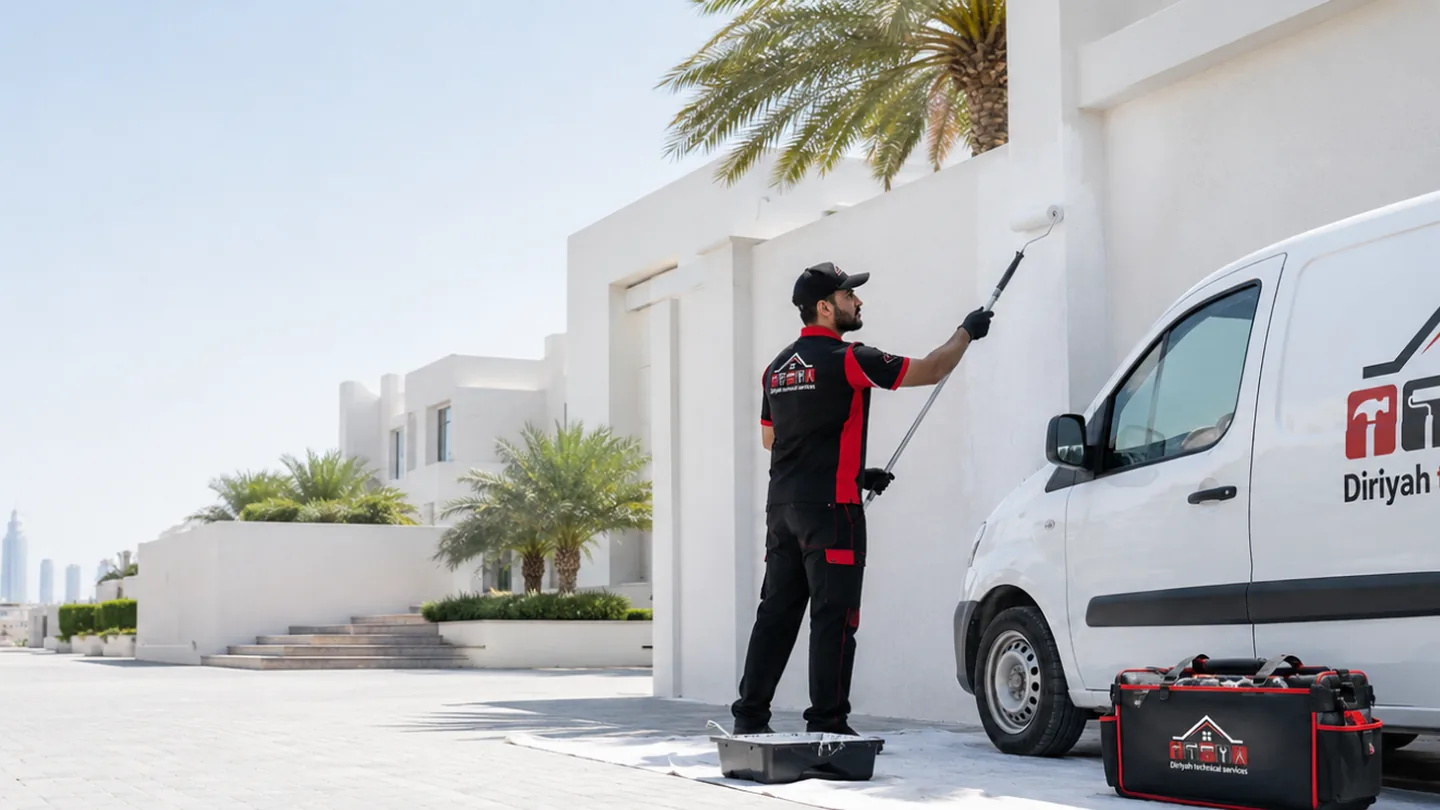
Paint needs a sound, appropriately dry and prepared surface. Loose coating, salt deposits, softened plaster or repeated staining can require cleaning, drying, repair or removal of failed material before a new coating is applied. A quick coat over an unstable surface is not a lasting repair.
Wallpaper requires an even stricter moisture check
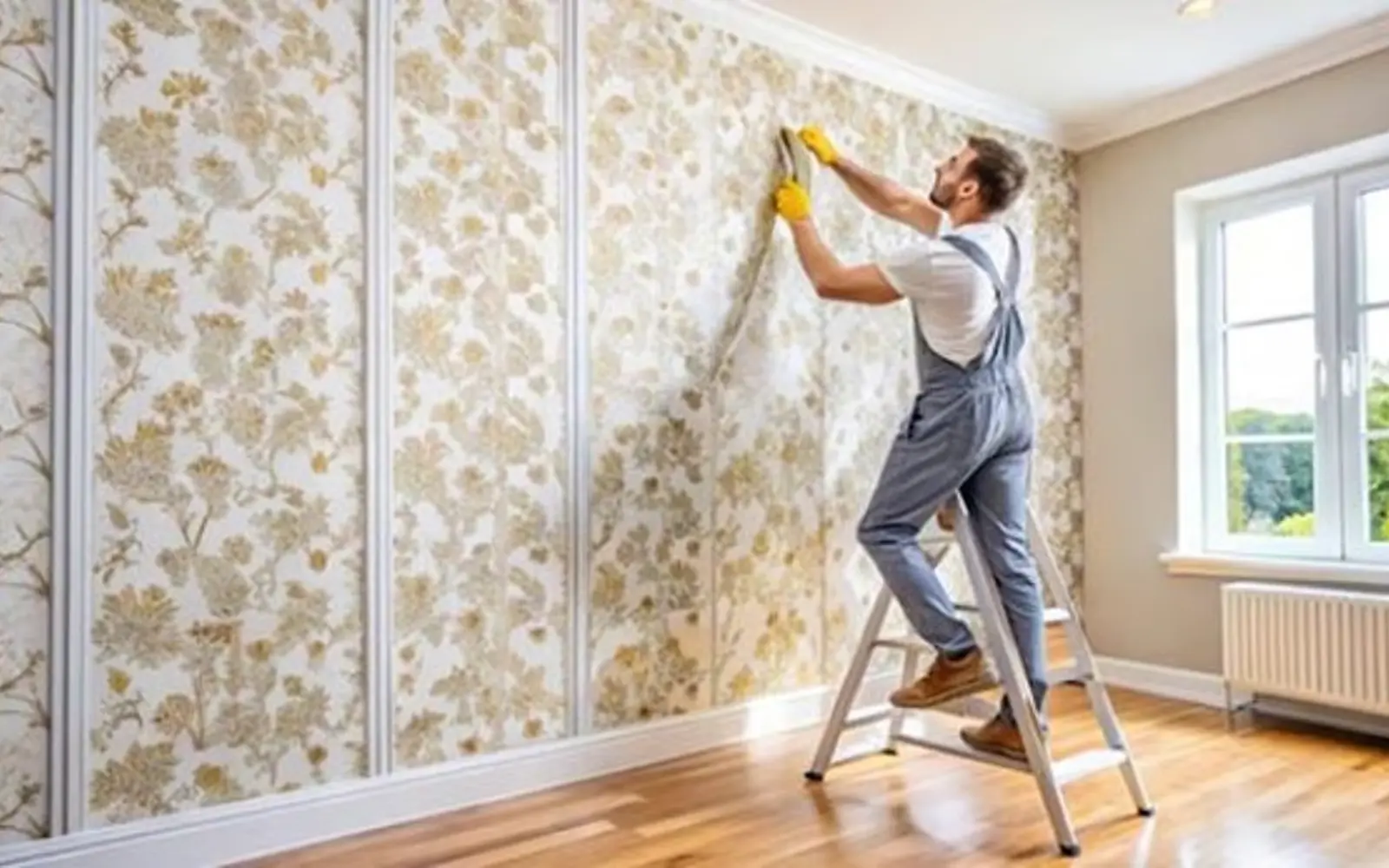
Wallpaper can trap or reveal moisture through bubbling, seam failure, staining or adhesive problems. Existing paper may need to be removed so the substrate can be inspected. Pattern matching and installation quality cannot compensate for an active damp source.
Plaster repairs should follow source control
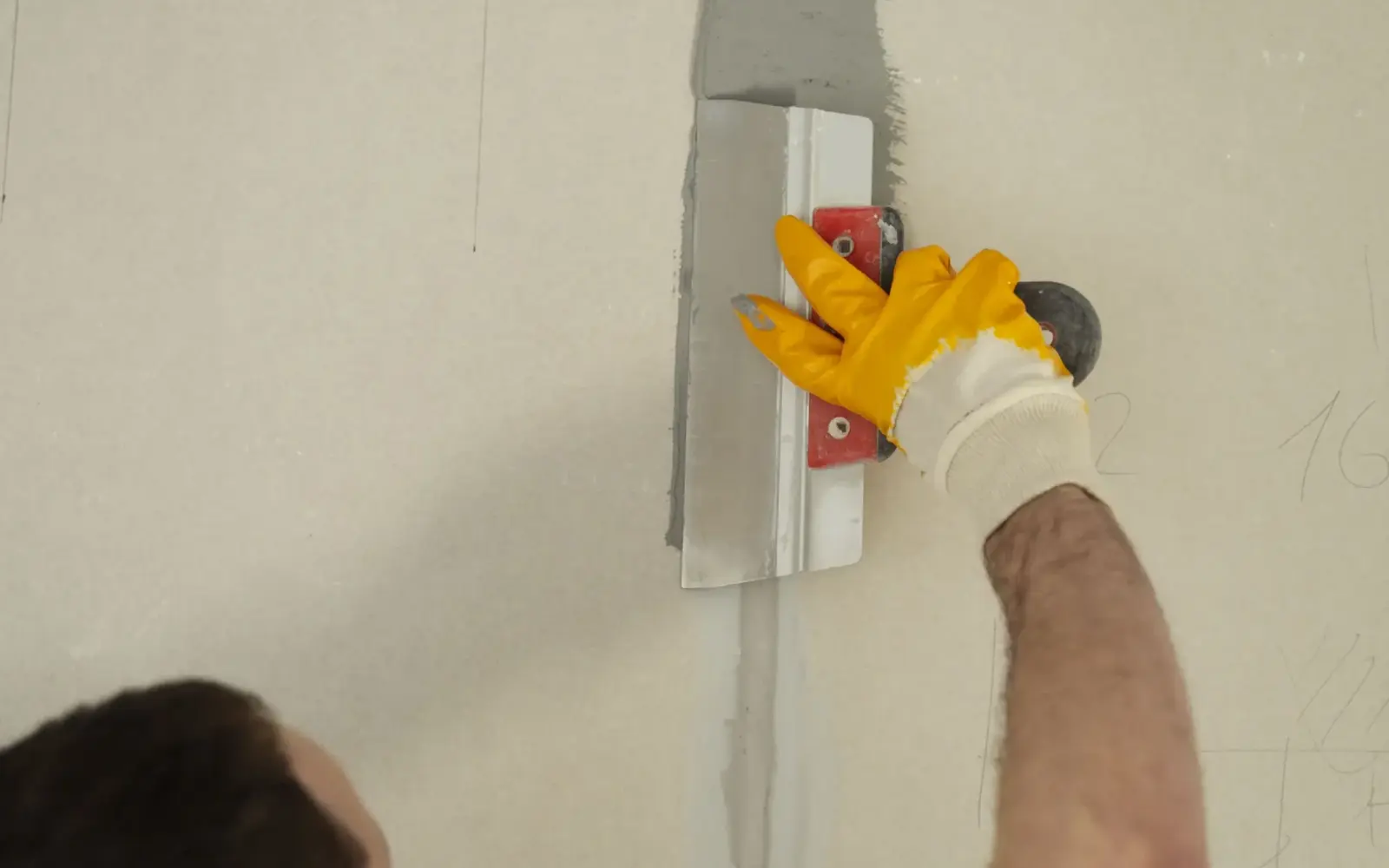
Cracked or damaged plaster can be repaired after the underlying leak, AC drainage issue or other cause has been addressed and the area is suitable for making good. The repair depth, drying condition and finish sequence should be confirmed before decoration.
Use the correct service sequence
For active water leakage, start with Plumbing Services. For AC condensate or indoor-unit leakage, use AC Services. Once the source is stable, the finish may move to Plaster Works, Painting Services or Wallpaper Fixing.
What to send with the request
- Exact room and Dubai property location.
- Wide and close photos of the stain or damaged finish.
- When it first appeared and whether it is changing.
- Whether nearby plumbing or AC use affects it.
- Any previous repair or repainting in the same area.
- Building-management or access restrictions if inspection above a ceiling or within a service area may be required.
Separating diagnosis from finishing protects both scopes and gives the repaired surface a better chance of remaining stable.