Swollen, lifting or separated wood flooring is visible damage, but the board itself may not be the original cause. Moisture, insufficient expansion space, substrate condition, product movement, plumbing leakage or AC-related water can all affect the correct repair.
Describe the pattern, not only the damaged board
Note whether the floor is lifting at a wall, doorway, kitchen, bathroom edge or AC area; whether one board or a larger field is affected; and whether the change appeared suddenly or gradually. Photograph the wider floor so the repair can be understood in context.
Check for active moisture before replacing material
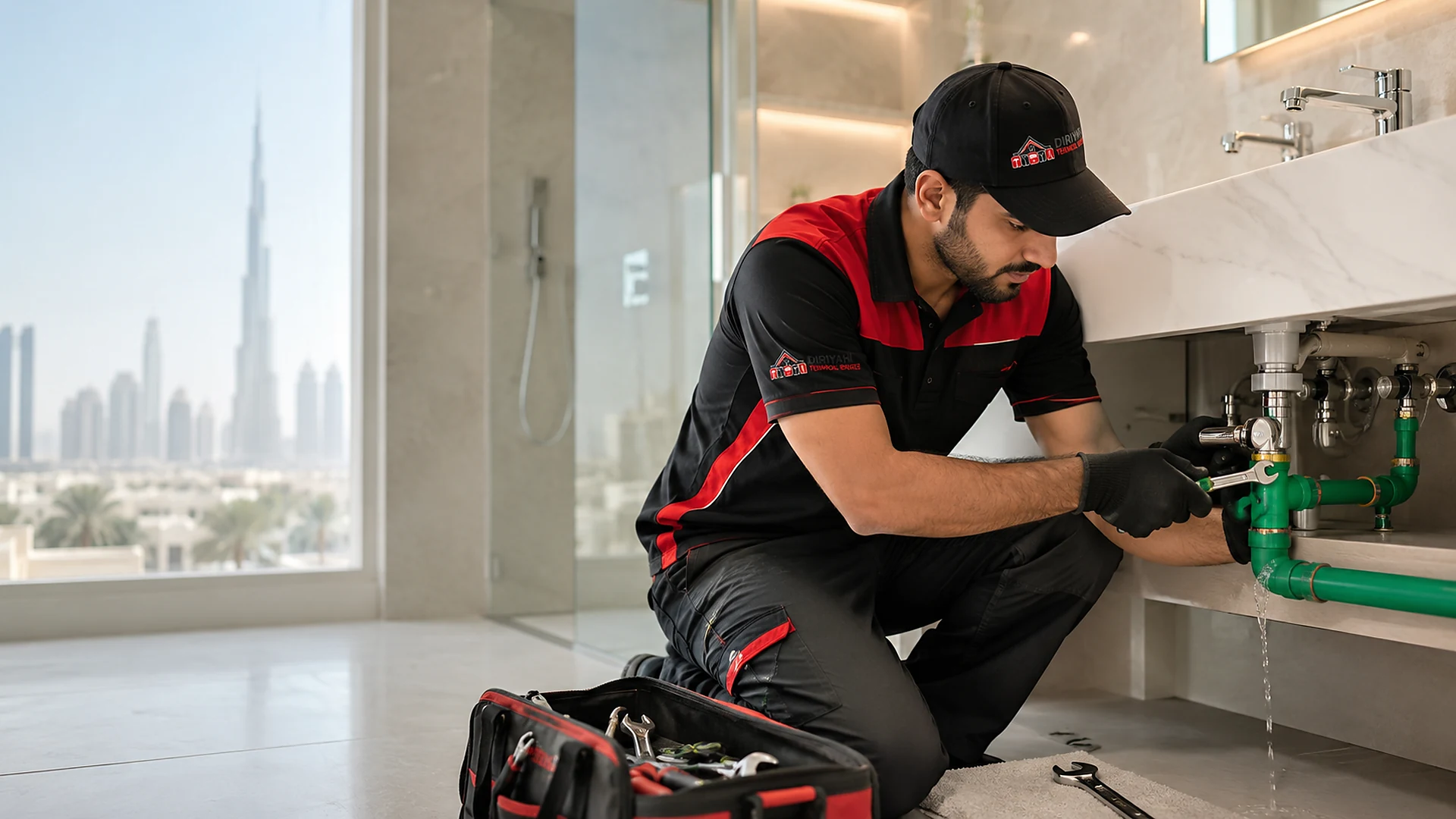
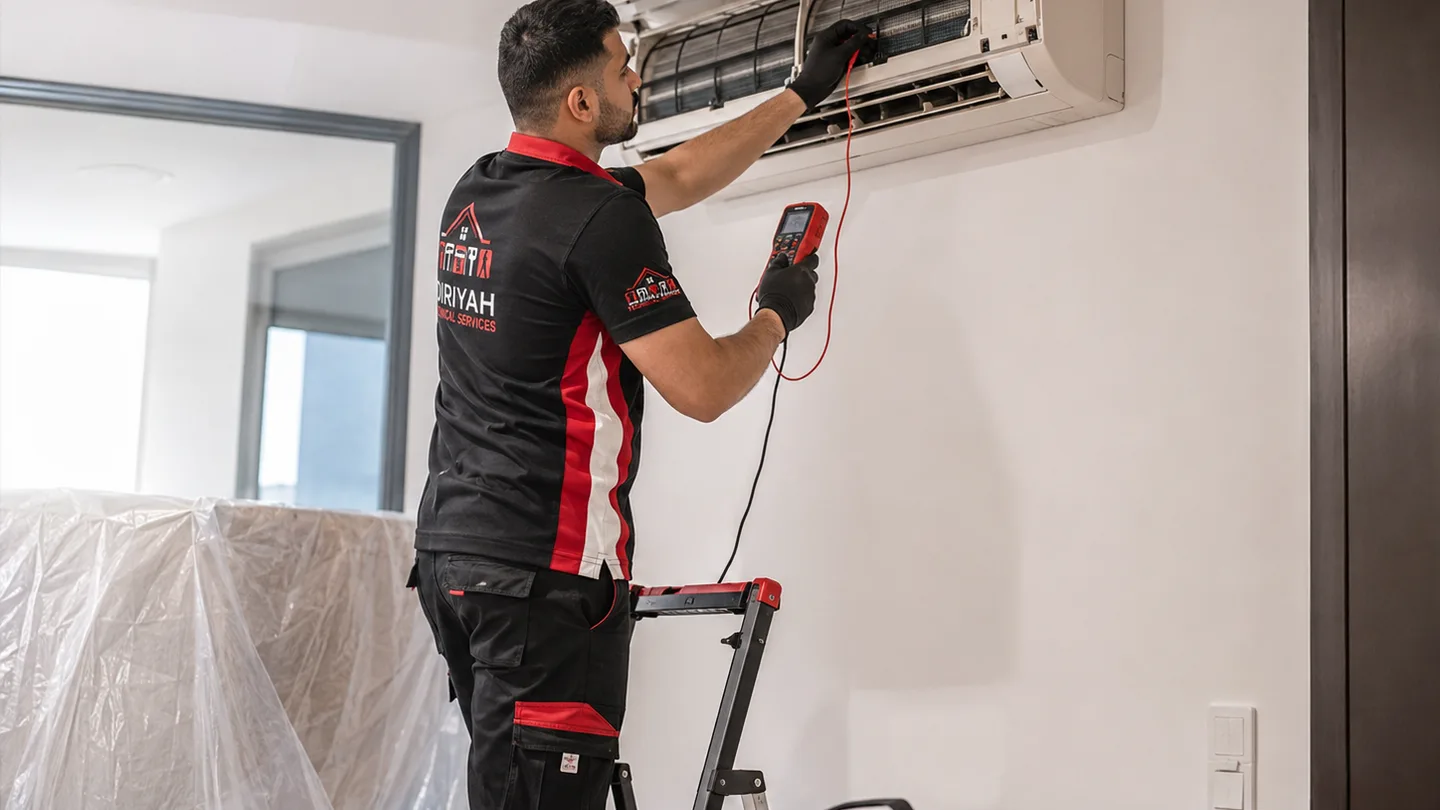
Visible water, a damp wall, a leaking appliance connection or a nearby plumbing/AC event can be relevant. Replacing boards while moisture is still entering the area can damage the new work. Where active leakage is suspected, use Plumbing Services or AC Services before closing the finish.
Expansion and substrate conditions also matter
Wood and laminate products need appropriate perimeter and transition details. Uneven substrate, tight edges, unsuitable underlay or movement around thresholds can contribute to lifting even without an active leak. The installer should review the product type and existing installation before recommending local replacement.
Local board replacement depends on matching material
A small damaged area may be repairable if the product, profile, colour and dimensions can be matched and the surrounding floor can be accessed without disproportionate damage. Older or discontinued finishes may require a different strategy because exact matching stock is unavailable.
Carpentry issues can exist alongside flooring problems
Moisture can also affect skirting, door frames, cabinets and lower joinery. Keep those items in the same evidence set but separate the approved repair scope. Carpentry & Wood Flooring covers measured joinery and floor work after the cause and material condition are understood.
What to send before attendance
- Property type and exact Dubai location.
- Wide photos and close views of lifting or swelling.
- Any recent water leak, AC leak or cleaning event.
- Approximate age and product type if known.
- Whether spare matching boards are available.
- Door, skirting, cabinet or transition details affected nearby.
This evidence helps distinguish a finishing repair from a moisture investigation and reduces the chance of replacing material before the underlying condition is stable.